In our Historic journey from Africa to Asia,
Our first stop was Africa. In Africa, the building structures are mostly made from natural materials. Most of the furniture is wood or materials native to them, and most of all furniture has been engraved with symbols representing them. I learned that the lifestyles of people in Africa are already set for them. In the Sub-Saharan, something I found interesting was that different textiles can mean different ethnic groups with beads that they wear.
The next stop was Asia, where I learned about the Silk Road for trading goods and the seven principles of interior design: flexibility, natural, subdued colors, natural textures and materials, diffused light, bringing outdoors in, reducing visual clutter, and finally, integrating simple, useful furniture.
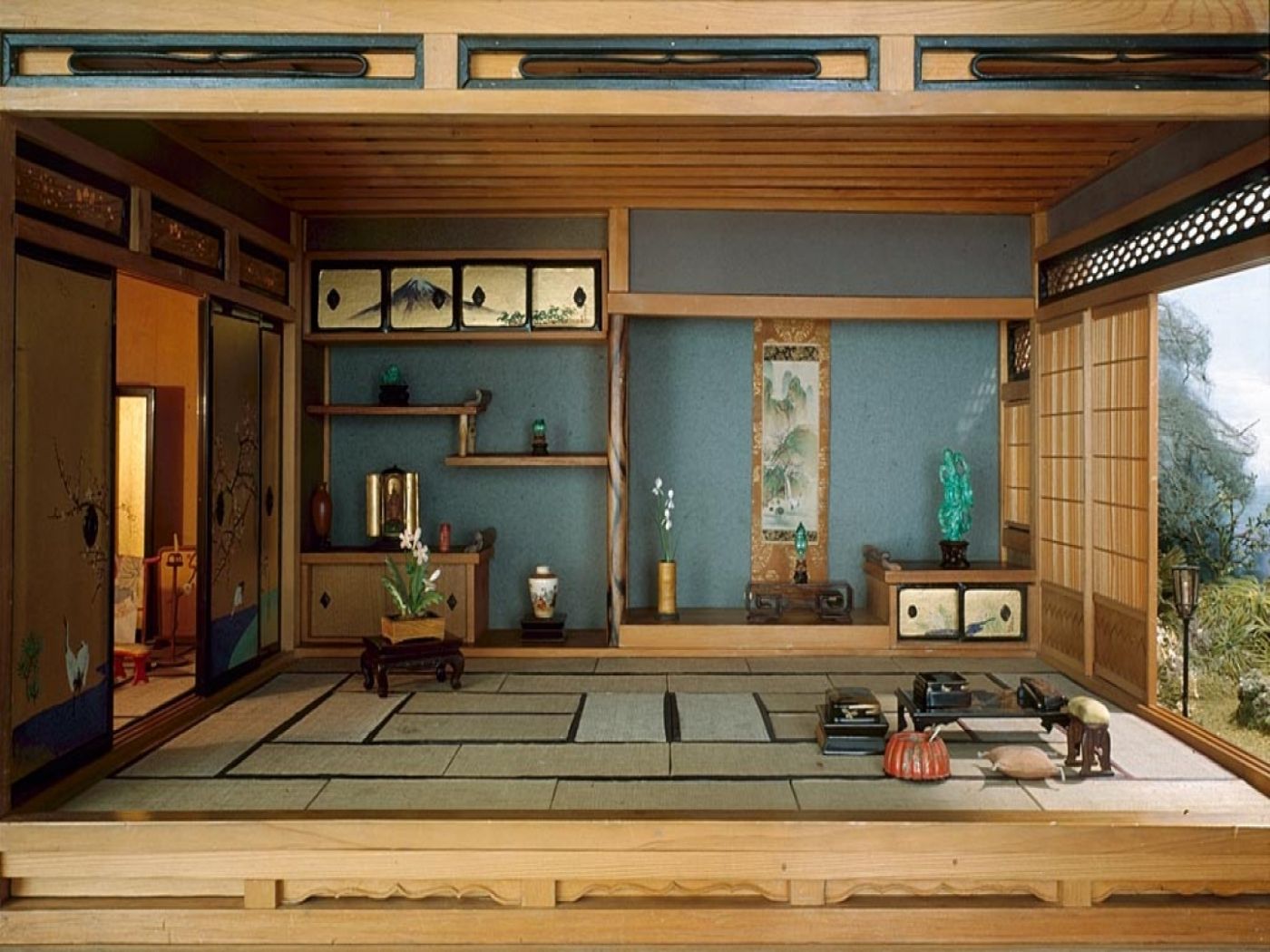
In Japan a key design element is space. They use all the space they have and don't waste whats is given to them. They also keep things very minimal and functional and they play a big role in space.

In Egypt a key design element is texture some examples are their furniture is engraved with characters and animal legs. Another example of texture is in their architecture as texture comes from the elements they use for buildings.

In China, a key design element is color as different colors are very meaningful in their culture example of this is red means good fortune, joy, and prosperity.


No comments:
Post a Comment